
Ramadan 2026 consumer intelligence guide
Rwazi's real-time consumer data reveals how 1.8B shoppers across Asia, Europe and Africa are changing their spending habits, media timing and purchase journeys. Read the full intelligence brief.

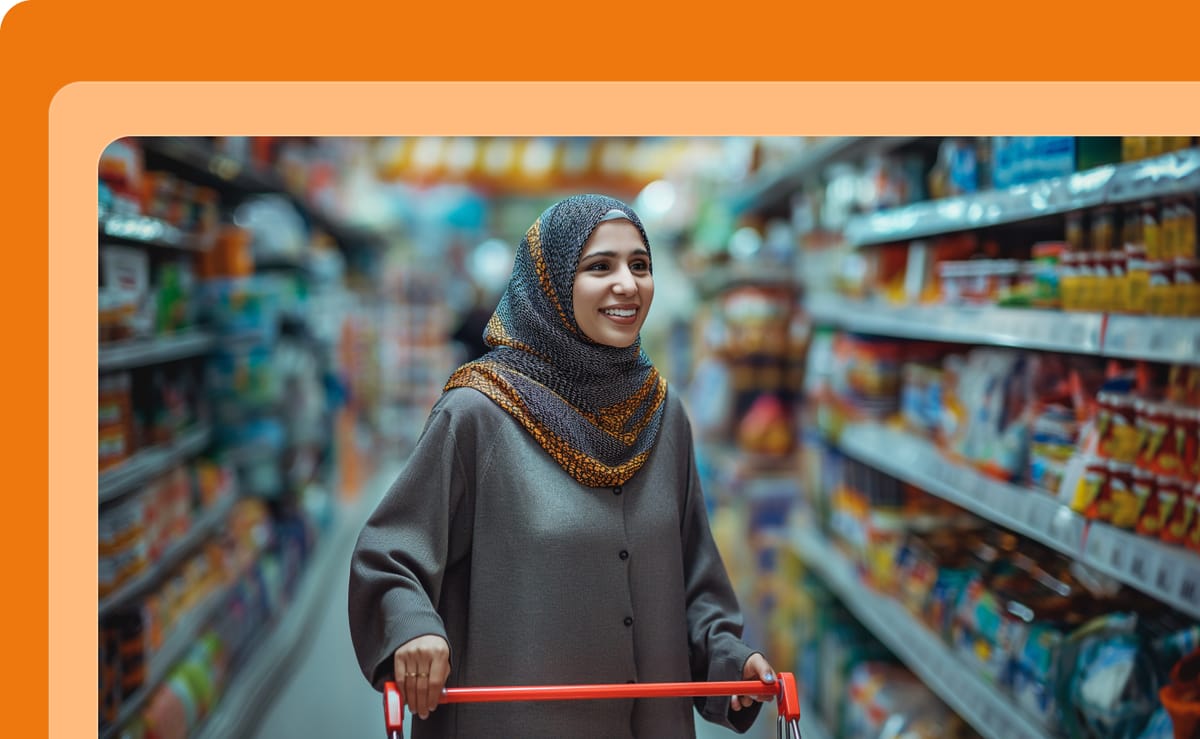
Table of Contents
Ramadan 2026 consumer intelligence

Hello, business leaders!
Ramadan 2026 is officially underway, and the first week has already provided masterclass-level insights into the shopping, scrolling, and spending habits of over 1.8 billion consumers worldwide.
What makes Ramadan in 2026 stand out even more is its rare alignment with Lent. Two of the world’s largest faith communities are observing periods of reflection, restraint, and intentional living simultaneously.
In multi-faith societies across Africa, Asia, and Europe, this convergence is creating a unique "Season of Intention" that reshapes everyday spending priorities.
This guide walks you through what the consumer intelligence tells us: the scale of the Ramadan economy, the specific behavioural changes and the data signals that should be shaping your strategy right now.
The scale of the Ramadan economy
Global Ramadan retail spending is estimated at over $66 billion( Google, 2024) across the MENA region alone and that figure has been climbing year on year as more brands, more platforms, and more markets actively participate in the season.
Despite global inflationary pressures, consumer appetite remains remarkably resilient. However, there is a catch. The "Impulsive Spender" of the past has been replaced by the "Intentionalist." Shoppers today are more deliberate, focusing on value, loyalty rewards, and family-centric purchases. In fact, 73% of consumers now hunt for cross-channel deals before making a final decision
The 2026 seasonal Ramadan change
With Ramadan 2026 unfolding in late winter, shopping, dining, and digital browsing drift into the late night and early morning, fueling a stronger nocturnal economy as consumers remain active long after Iftar.
The cooler weather also pulls activity outdoors. Night markets, pop-up cafés, and community festivals draw steady post-Iftar crowds, shifting foot traffic away from enclosed malls and toward public squares and neighborhood parks.
Brands focused only on indoor placements risk missing where attention and movement now converge.
Top consumer insights & spending trends for 2026
To stay ahead, executives must understand where the money is moving. According to recent consumer insight snapshots, three major trends are defining this year.
1.The 10 PM to 2 AM Peak
Engagement explodes in the evening. Data shows that 48% of digital engagement and a huge portion of retail transactions now occur between 10 PM and 2 AM. This is when the "Nocturnal Economy" hits its stride. After Taraweeh prayers, consumers are in a "discovery mindset," browsing social commerce platforms like TikTok and Instagram for Eid gifts or home upgrades.
2.Bulk Buying vs. Micro-Transactions
While large supermarket chains see a 40-60% surge in bulk buying early in the month, there is a parallel rise in micro-transactions at neighborhood kiosks. Many consumers in emerging markets prefer to buy fresh ingredients or top-up essentials daily. Using Rwazi’s on-ground mappers, brands can track these hyper-local sales that often fly under the radar of traditional retail audits.
3.The Loyalty Premium
In 2026, 35% of consumers say they’re more willing to switch to brands that reflect authentic cultural values. It is no longer enough to simply place a crescent moon on your packaging;. What builds trust is substance — transparent halal sourcing and meaningful community impact through partnerships with local charities aligned with Zakat.
Strategic pillars for global brands in 2026
Winning Ramadan 2026 hinges on precision across three fronts: mobile, value, and availability. With mobile apps now central to shifted routines and 90% of Gen Z discovering products through short-form video, brands need evening-first, engagement-ready experiences that capture late-night intent.
At the same time, consumers are deal-driven across categories, with 86% viewing Ramadan as the year’s best window for savings, making clear price incentives and bundles essential to conversion.
Finally, demand concentrates into a few high-intensity night hours, raising the risk of empty shelves; without real-time, hyper-local inventory visibility, brands risk losing customers to competitors at the very moment purchase intent peaks.
Don't guess your way through the biggest shopping season of the year. Book a demo with Rwazi to access real-time Ramadan 2026 data and start winning on the ground.